
Questions and Answers
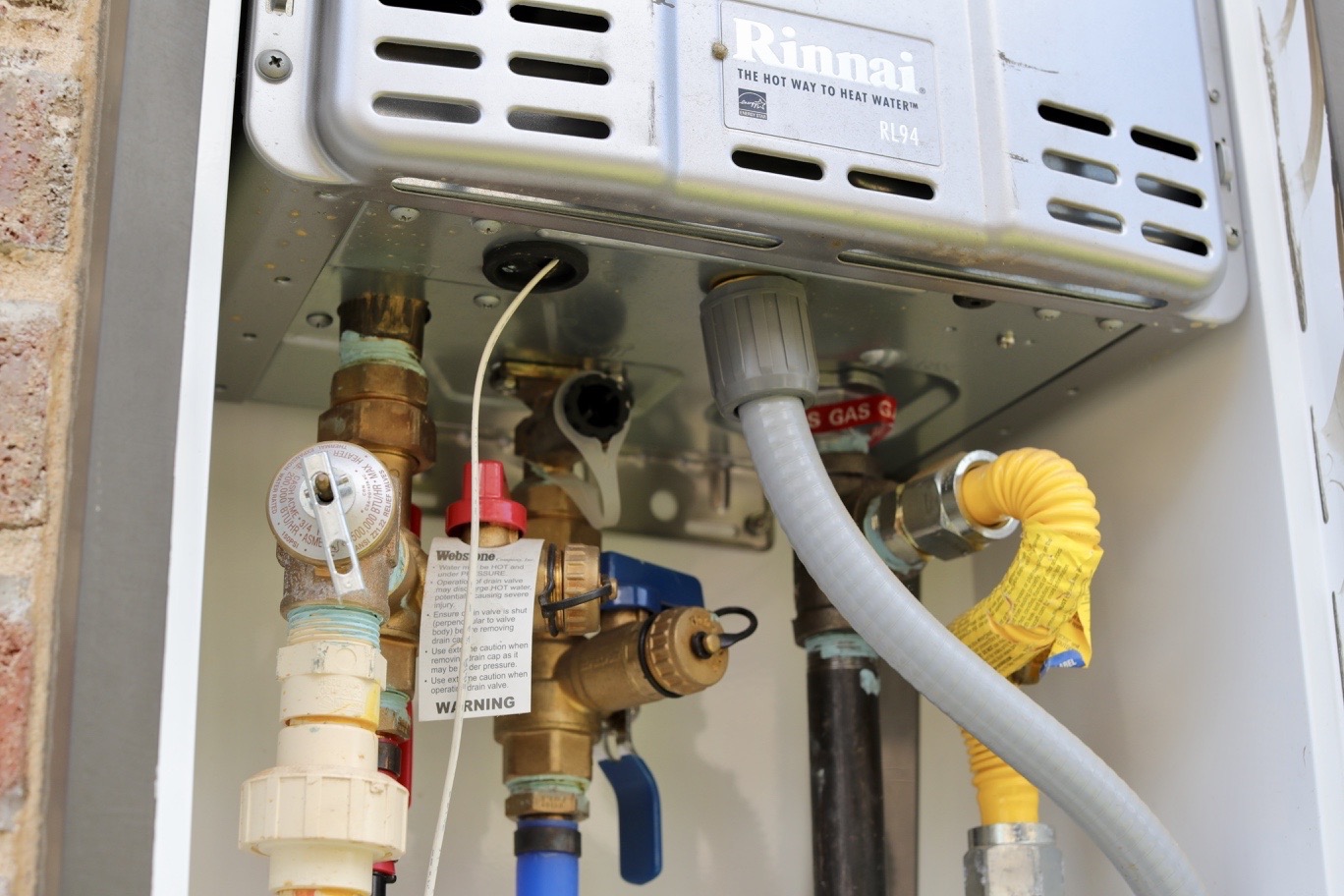
Tankless water heaters
Did you know?
Mineral buildup inside a tankless water heater can reduce efficiency over time. Many manufacturers recommend periodic flushing to help maintain performance, especially in hard water areas.
Do I Need a Home Inspection?
Yes. A home inspection helps reduce the risk of unexpected and costly surprises and provides valuable insight into the condition of the property at the time of the inspection.
A home purchase is often one of the largest single investments you will make. Understanding the condition of the home’s major systems and components can help you make an informed decision and proceed with greater confidence. A professional inspection offers an independent, objective evaluation that can help identify visible deficiencies and conditions that may warrant further consideration before completing the purchase.
Should I Attend the Home Inspection?
Yes. Attending the home inspection is encouraged, as it provides an opportunity to review findings with the inspector and ask questions about the property. Being present can help you better understand the home’s systems and observed conditions.
If attending the inspection is not possible, the inspection report will be delivered electronically, and findings can be reviewed by phone or email. Questions after the inspection are always welcome.
What is Inspected?
The Texas Real Estate Commission (TREC) has established Standards of Practice that define the minimum scope of a residential real estate inspection for substantially completed properties of up to four dwelling units.
A home inspection is a limited, visual evaluation of the readily accessible systems and components of the home, along with the basic operation of those systems using normal controls. The inspection does not involve technically exhaustive procedures, destructive testing, or the use of specialized tools beyond those commonly used by home inspectors.
The primary purpose of a pre-purchase home inspection is to provide the client with meaningful information about the condition of the property at the time of the inspection, as outlined by TREC Standards of Practice, to help support informed decision-making.
Major Systems and Components Typically Inspected Include:
Foundation
Grading and drainage
Roofing materials and roof structure
Attic and insulation
Interior walls, ceilings, floors, windows, and doors
Evidence of visible water intrusion
Electrical systems
Heating, ventilation, and air conditioning (HVAC) systems
Plumbing systems and fixtures
Water heaters
Built-in kitchen appliances
What Is Not Inspected?
A home inspection is a limited, visual evaluation and does not include all components, conditions, or potential issues that may exist on the property. Certain items and systems are outside the scope of a standard home inspection as defined by the Texas Real Estate Commission (TREC) Standards of Practice.
The inspection does not include:
Areas or components that are not readily accessible, concealed, or unsafe to access
Conditions that require destructive testing or dismantling of systems
Underground, buried, or concealed components
Determining compliance with building codes, manufacturer specifications, or engineering standards
The remaining life expectancy of systems or components
Environmental hazards such as mold, asbestos, radon, lead-based paint, or other airborne or soil contaminants
Pests, termites, or other wood-destroying organisms (unless separately contracted)
Underground plumbing, sewer lines, septic systems, or private water wells (unless separately contracted)
Swimming pool components not included in the scope of the inspection or not accessible at the time of the inspection
Specialized systems such as irrigation systems, security systems, intercoms, data or low-voltage wiring, solar systems, or smart home components (unless specifically stated)
The inspection is not a guarantee or warranty of future performance. Conditions may change after the inspection due to weather, use, or other factors.
Important Reminder
The inspection reflects the condition of the property at the time of the inspection only. Any system or condition not specifically addressed in the inspection report should be considered outside the scope of the inspection.
How Much Does an Inspection Cost?
Home inspection fees are based on several factors, including the square footage of the home, the age of the property, the type of foundation, and any additional or optional systems to be inspected, such as irrigation systems or swimming pools and spas.
Pricing reflects the time, experience, and level of detail required to provide a thorough, high-quality inspection.
Does a New Home Need to Be Inspected?
Yes. New homes can benefit from an independent inspection just as much as older properties. Platinum Home Inspections also performs quality inspections for custom home builders throughout Southlake, Westlake, and the greater Dallas–Fort Worth area.
Municipal inspections performed during construction are generally limited in scope and are intended to verify compliance with local building codes at specific stages of construction. These inspections do not replace a comprehensive, buyer-focused evaluation.
An independent home inspection, performed on behalf of the buyer, includes a visual evaluation of the home’s structure and major systems and the operation of accessible electrical, plumbing, and mechanical components. This type of inspection helps document the condition of the home at the time of the inspection and identify visible deficiencies or conditions that may warrant further evaluation before closing.
As a Seller, Should I Have My Home Inspected?
A pre-listing home inspection can be a valuable advantage in a competitive market. Understanding the condition of your home before listing allows you to address potential issues on your terms rather than reacting to them later in the transaction.
Most buyers will obtain their own inspection. Unexpected findings at that stage can delay negotiations, lead to price reductions, or cause a buyer to walk away altogether. A pre-listing inspection helps reduce these risks by identifying visible conditions in advance.
With a pre-sale inspection report, sellers can choose to make repairs, disclose conditions appropriately, or adjust the listing price before the buyer’s inspection occurs. This proactive approach can help support smoother negotiations and a more predictable closing process.
What Is a Home Warranty?
A home warranty is a service contract that may cover the repair or replacement of certain home systems and appliances that experience mechanical failure during the coverage period. Coverage typically applies to commonly used components such as heating and cooling equipment, plumbing systems, electrical components, and major appliances, depending on the policy.
Home warranties usually require a service call fee or deductible each time a claim is made. Before authorizing a service visit, it is important to confirm with the warranty provider that the specific issue is covered. If a claim is denied, the service call fee may still apply.
Coverage varies widely between providers and policies. Certain conditions, pre-existing issues, improper installation, or older equipment may be excluded. For this reason, it is important to carefully review what is and is not covered when comparing warranty options.
In some cases, purchasing a home warranty may be worth considering, particularly when major systems or appliances are older. Understanding the limitations of coverage can help set realistic expectations and avoid unexpected costs.
Do Home Inspectors Carry Insurance?
Texas-licensed home inspectors are required to maintain professional liability insurance, or other approved coverage, as a condition of holding an active license. This insurance provides coverage related to violations of Subchapter G of Chapter 1102 of the Texas Occupations Code.
Platinum Home Inspections is licensed and regulated by the Texas Real Estate Commission (TREC) and maintains the required insurance coverage during the period the license is active.
TREC also administers recovery funds that may be used to satisfy certain judgments against licensed inspectors and real estate licensees involving violations of the law.
Questions, complaints, or inquiries regarding home inspectors or real estate licensees may be directed to:
Texas Real Estate Commission
P.O. Box 12188
Austin, TX 78711-2188
Phone: (512) 465-3960
Inspection Agreements
Prior to the inspection, clients are required to review and sign a pre-inspection agreement. This agreement outlines the scope of the inspection, confirms that the inspection is a visual, non-invasive evaluation, and explains important limitations, exclusions, and disclaimers.
The inspection agreement helps ensure a clear understanding of what is and is not included in the inspection and establishes expectations before the inspection is performed.
You may review the Pre-Inspection Agreement in advance for your convenience.