
PROFESSIONAL HOME INSPECTIONS IN DALLAS/FORT WORTH

Why Choose Platinum Home Inspections?
Inspections performed by the owner
Advanced certifications in all major residential systems
Thorough, methodical inspections of standard and complex homes
Clear, detailed reports with photos and explanations
Inspections conducted in accordance with TREC Standards of Practice
ICC-Certified in Residential Building, Electrical, Plumbing, Mechanical, and Pool & Spa Systems.
The International Code Council (ICC) develops the model codes used nationwide for residential construction. ICC certifications reflect advanced education and formal testing in residential building systems.
Homes are complex systems. A proper inspection requires a strong understanding of how residential structures, electrical, plumbing, mechanical, and systems are designed and intended to function—not just how they appear on the surface.
Owner-performed inspections using modern tools, advanced training, and a methodical approach to help clients understand the condition of the home at the time of the inspection.
With experience dating back to 1999, Platinum Home Inspections delivers clear, comprehensive reports with photos and explanations that are easy to understand. Inspections include both existing homes and new construction and are performed in accordance with TREC Standards of Practice.


Joseph Plagens TREC#4715-PI
Inspection Services
STANDARD TREC Home Inspections
The Standard Home Inspection includes a thorough visual evaluation of the home’s readily accessible systems and components at the time of the inspection. Inspections are comprehensive in scope and are performed in accordance with the Texas Real Estate Commission (TREC) Standards of Practice.
The inspection addresses the major systems and components of the home, including but not limited to: foundations, grading and drainage, roofing, roof structure and attic, interior and exterior components, electrical systems, heating, ventilation and air conditioning systems, plumbing systems, and other visible components.
A Wood Destroying Insect (WDI) Report is included with the standard home inspection at no additional cost, when applicable.
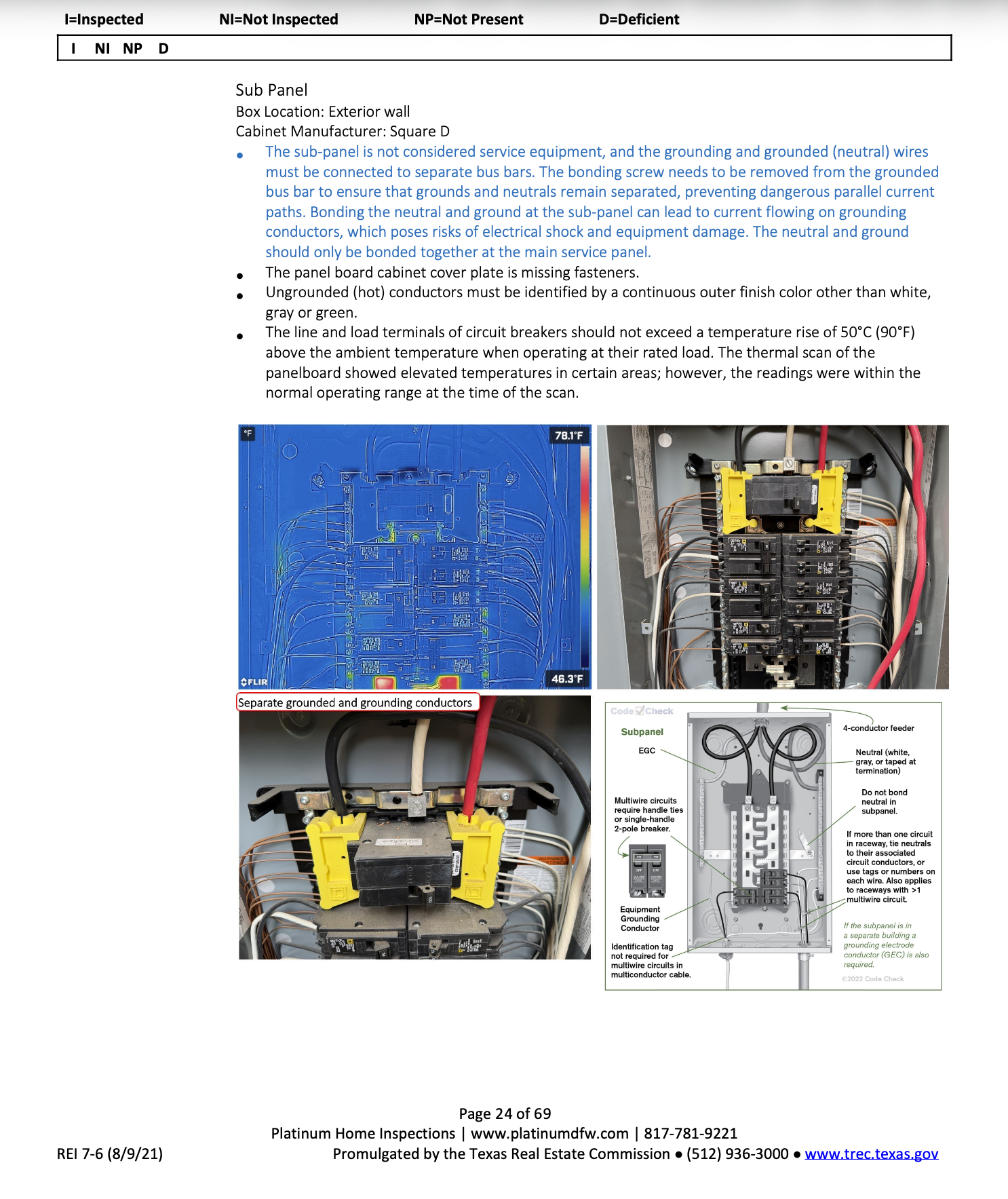
The inspection report includes digital photos and illustrations and is typically delivered the same day as the inspection. Clear reporting is a priority. An inspection is only valuable if the findings are understandable, so reports are organized in a straightforward format that clearly identifies observed deficiencies and conditions that may warrant further evaluation.
Questions after the inspection are welcomed. Support is available by phone or email to help clarify report findings and recommendations.
FOUNDATION ELEVATION MEASUREMENTS
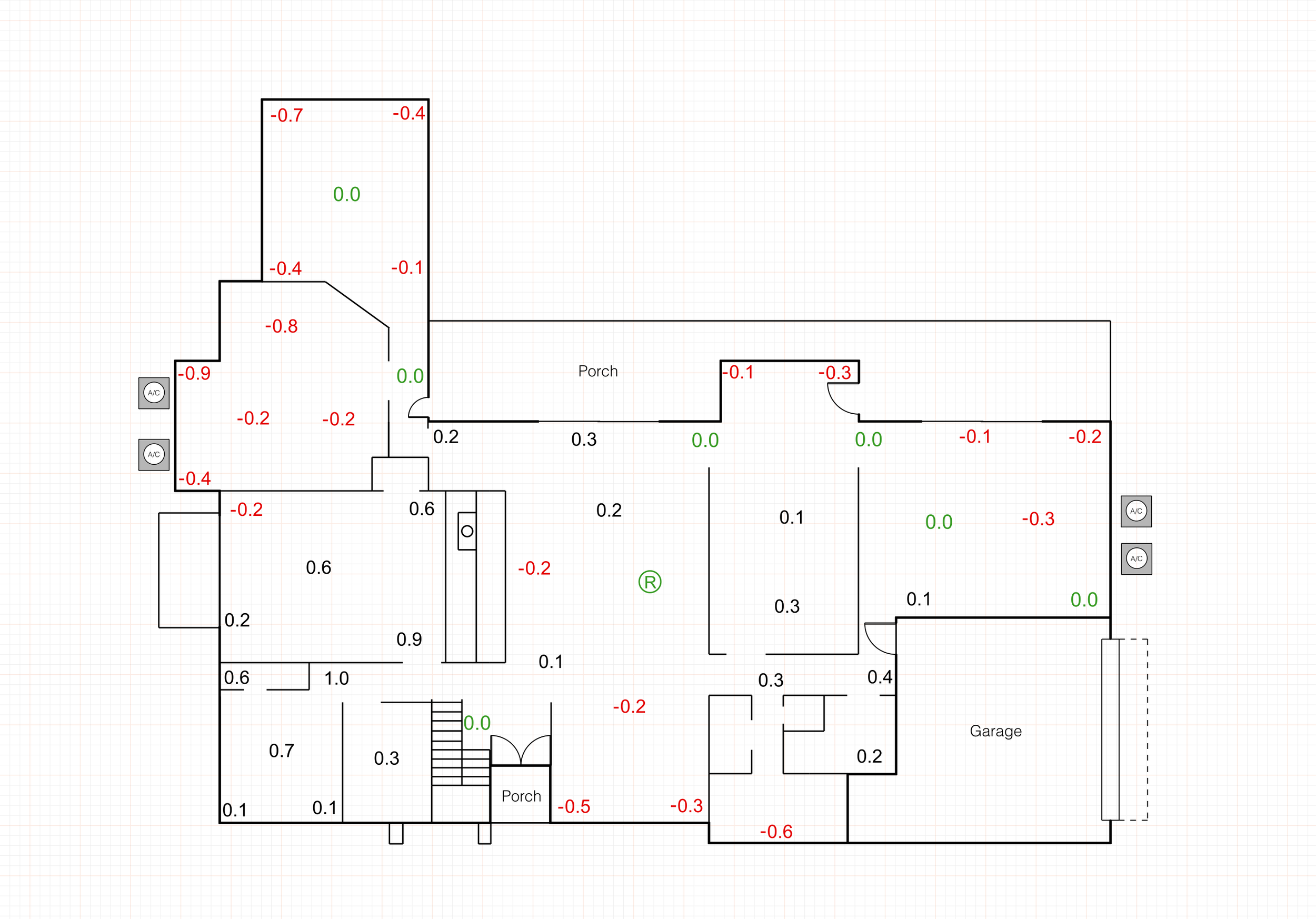
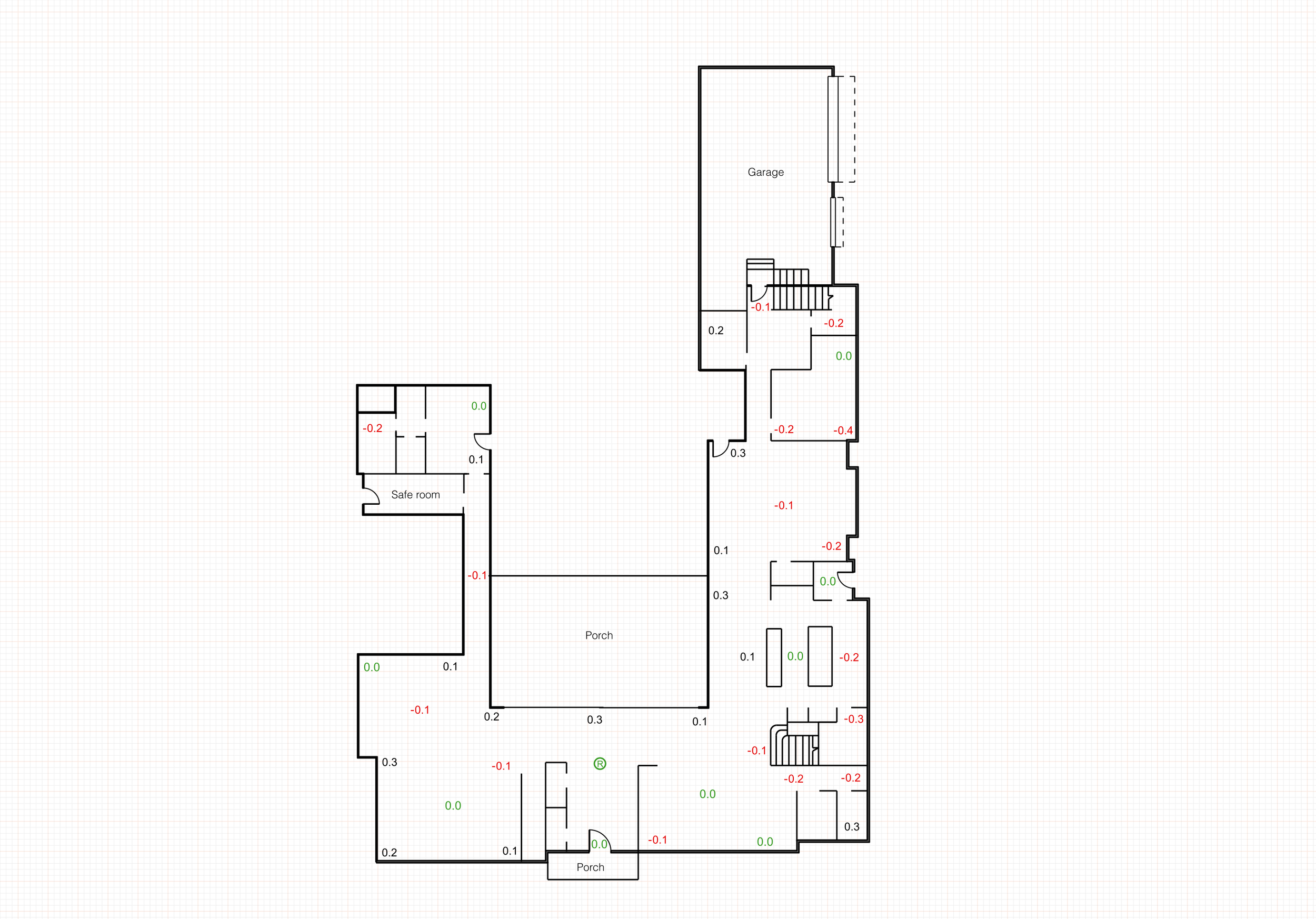
Foundation elevation measurements provide additional documentation of the slab foundation by recording elevation readings at multiple points throughout the home. These measurements are used to generate an elevation profile that illustrates relative changes across the foundation surface.
In North Texas, differential foundation movement is commonly influenced by factors such as expansive clay soils, plumbing leaks, and vegetation (including large trees and shrubs) that can affect soil moisture conditions beneath the foundation.
Under the Texas Real Estate Commission (TREC) Standards of Practice, inspectors are required to provide a written opinion regarding the performance of the foundation. This opinion is typically based on visible indicators such as cracking, displacement, or other signs of structural stress observed during a visual inspection.
When foundation elevation measurements are performed in conjunction with a visual structural inspection, they provide additional context by documenting the relative flatness of the slab at the time of the inspection. This information can assist in evaluating observed conditions and in explaining the inspector’s opinion regarding the current foundation performance.
Two examples of elevation profiles are shown below. One illustrates a relatively level foundation with no significant signs of distress, while the other shows excessive slope variations that are commonly associated with foundation movement.
Thermal Imaging
Thermal imaging uses infrared technology to detect surface temperature variations that may indicate conditions not visible during a standard visual inspection. By identifying temperature differences, thermal imaging can help reveal potential issues related to energy efficiency, moisture intrusion, electrical components, and HVAC performance.
A thermal camera captures thousands of temperature readings within each image, providing a broader perspective of how systems and materials are performing at the time of the inspection.
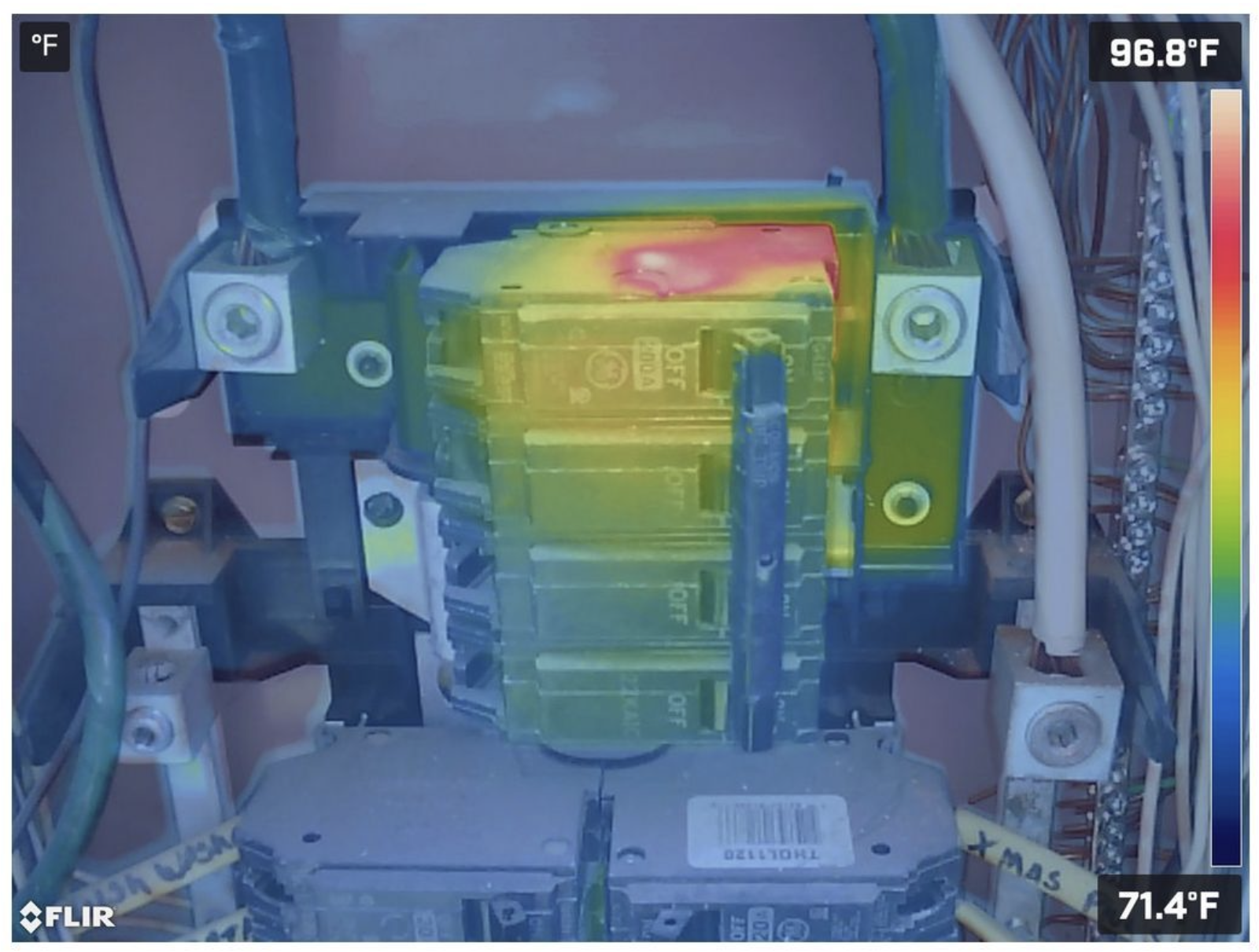
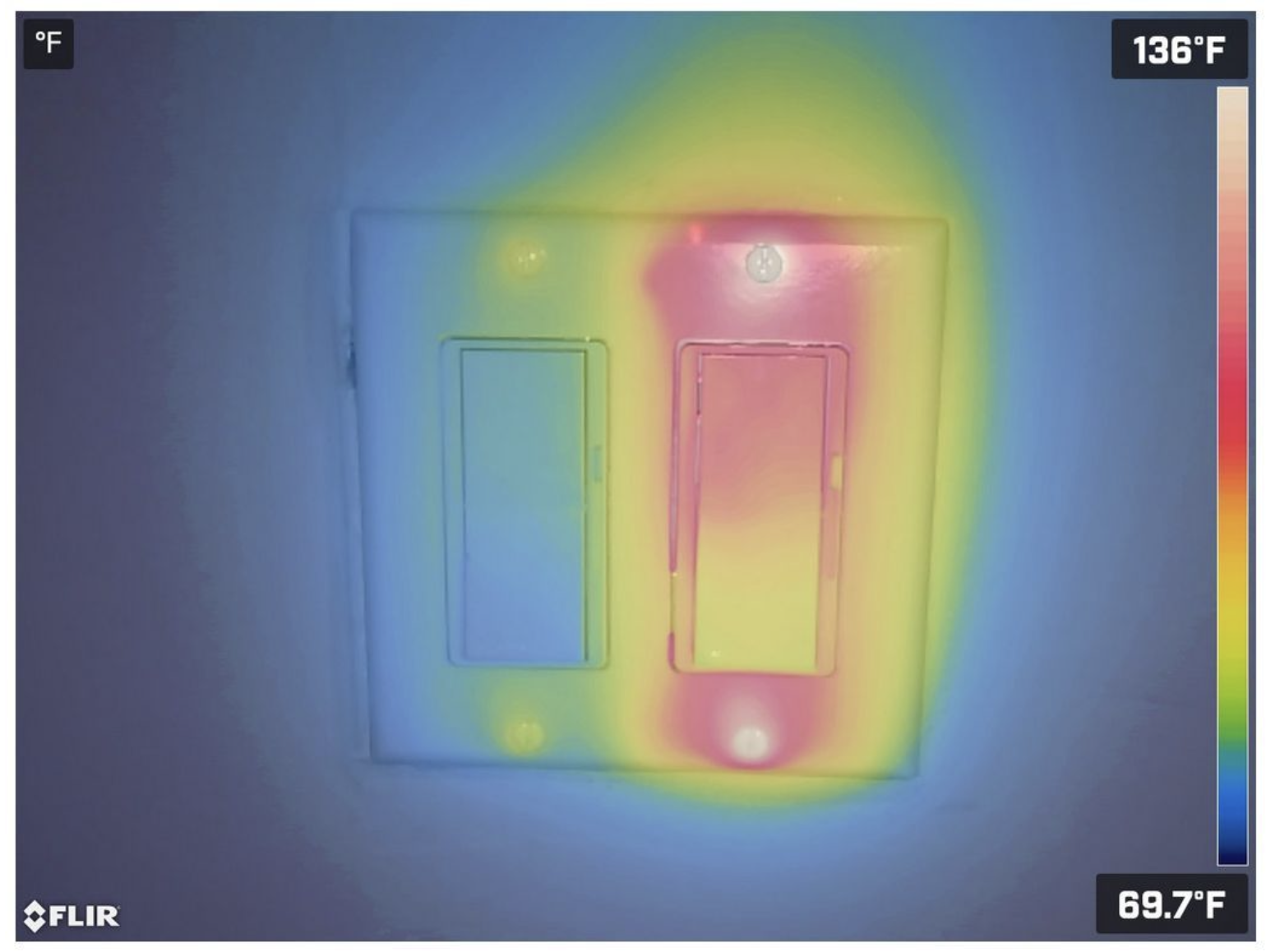
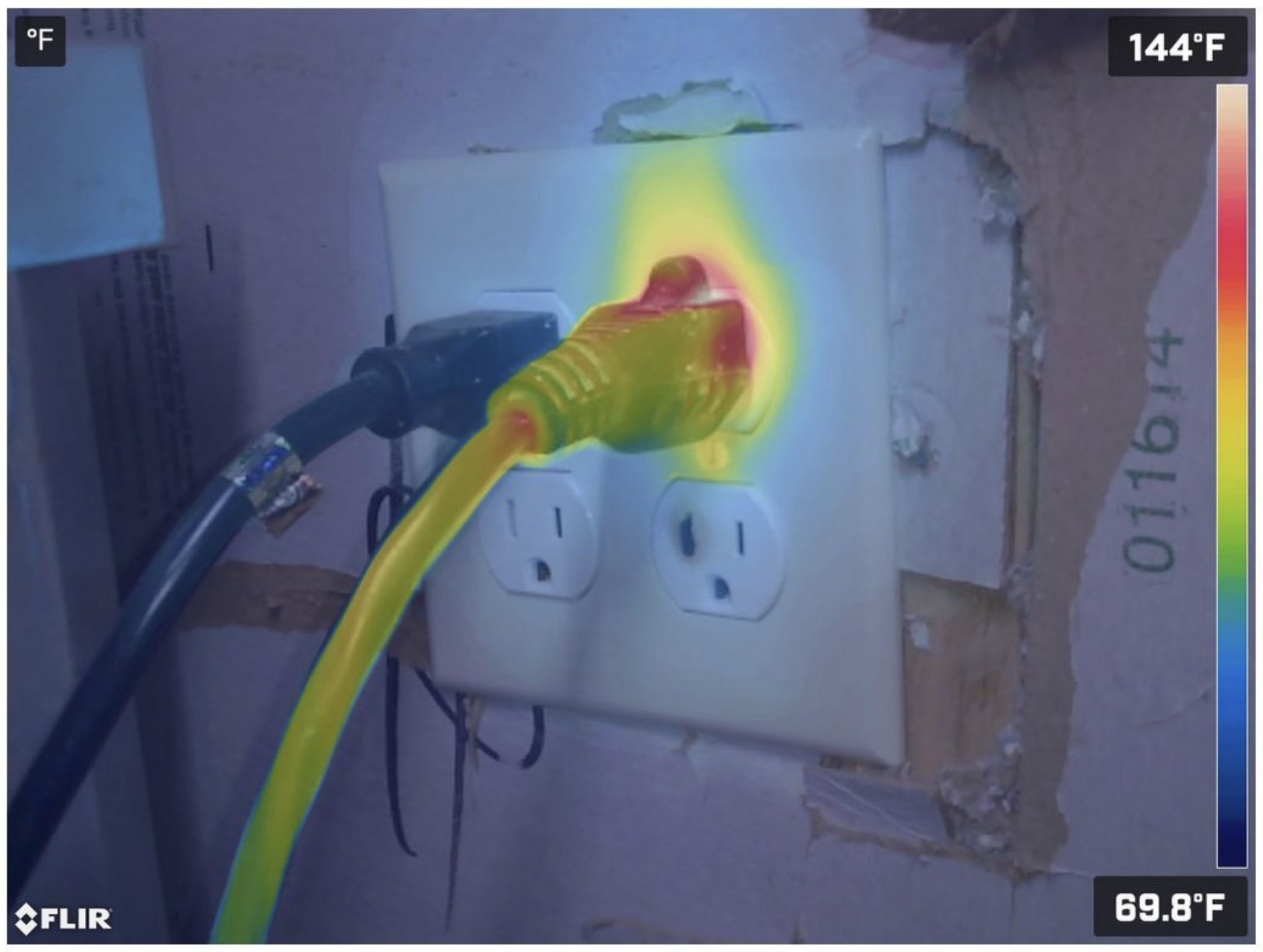
A FLIR E96 high resolution camera is used as part of the home inspection, a thermal imaging scan typically includes the interior living areas within the building envelope, the main electrical panel, and accessible HVAC ductwork. Thermal images are used as a supplemental diagnostic tool alongside a visual inspection to help document observed conditions.
Common Conditions Identified with Thermal Imaging
Missing or Deficient Insulation
Thermal imaging can help identify areas of heat loss caused by missing, displaced, or damaged insulation. Temperature differences between insulated and uninsulated areas can often be detected where visual confirmation is limited.
Air Infiltration
Infrared imaging can reveal air leakage around windows, doors, and other openings in the building envelope. Identifying these areas can help improve comfort and energy efficiency.
Moisture-Related Conditions
Some moisture issues are not readily visible. Thermal imaging may help identify temperature patterns consistent with moisture intrusion, allowing further evaluation before minor issues develop into larger concerns.
Electrical Components
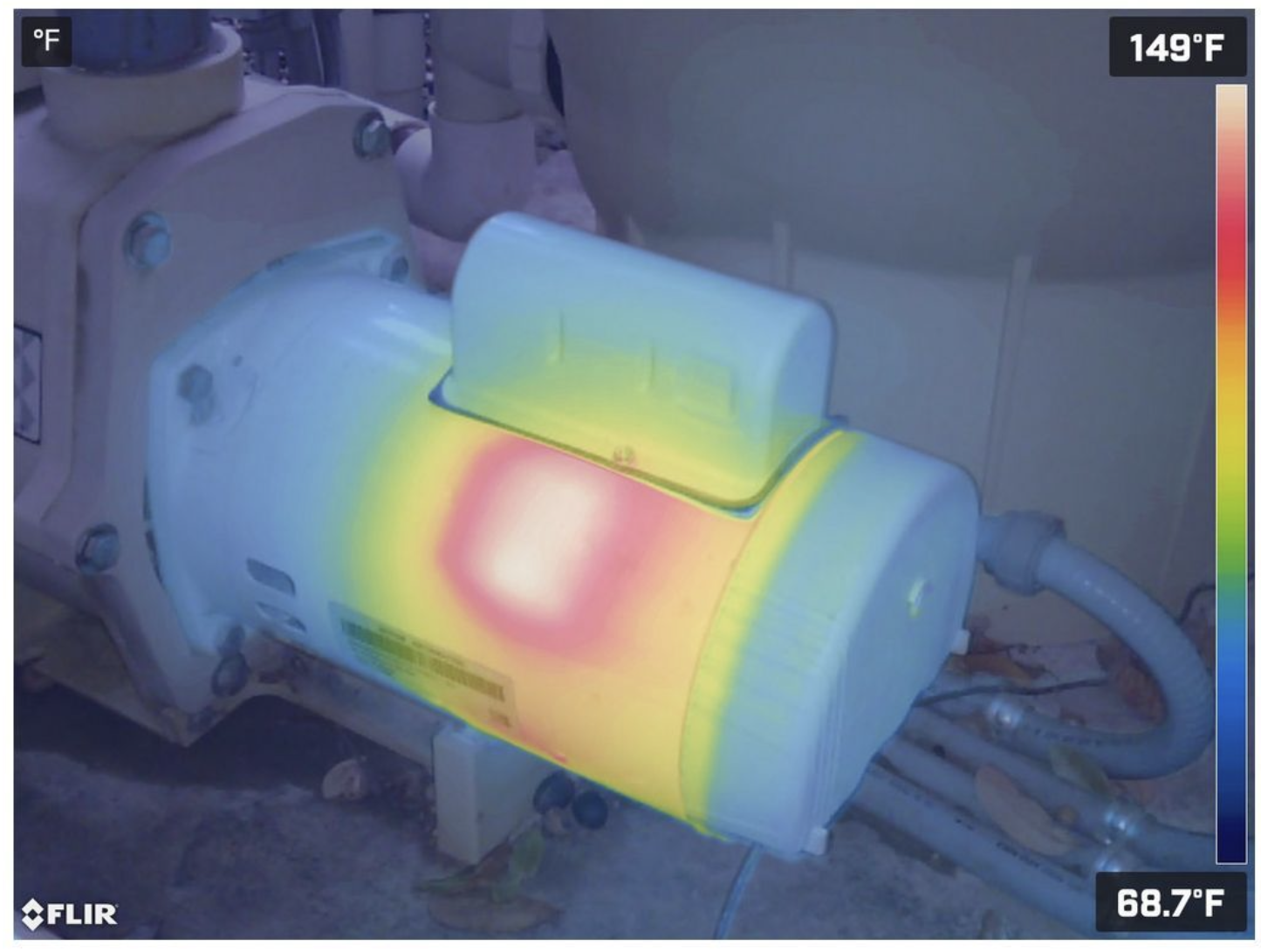
Elevated temperatures within electrical panels or components may indicate conditions such as loose connections, overloaded circuits, or abnormal operation that warrant further evaluation by a qualified electrician.
Heating and Cooling Systems
Thermal imaging can assist in identifying duct leakage, airflow irregularities, or excessive heat conditions associated with HVAC equipment, helping to evaluate system performance and efficiency.
Drone Inspections (UAS)
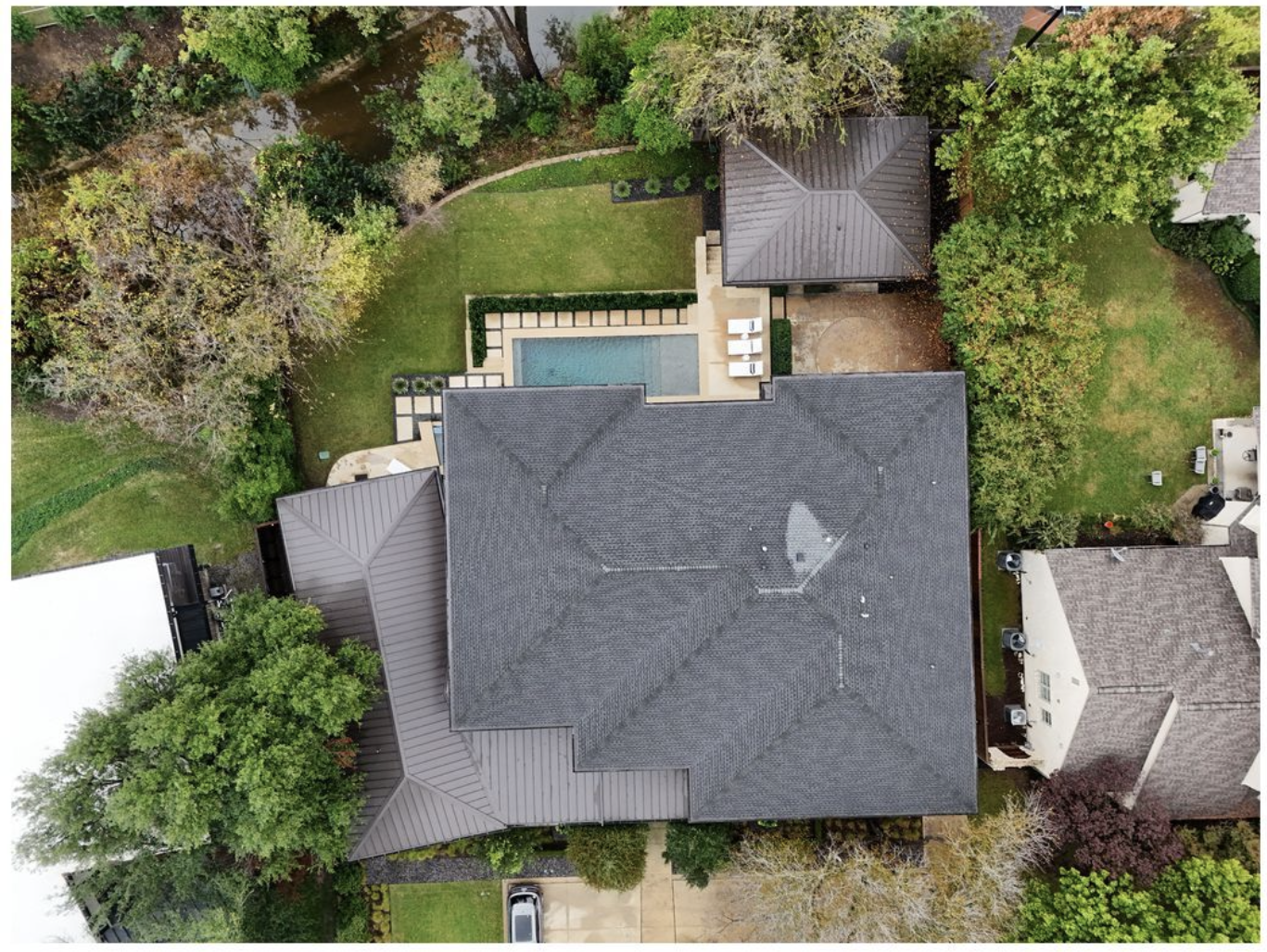
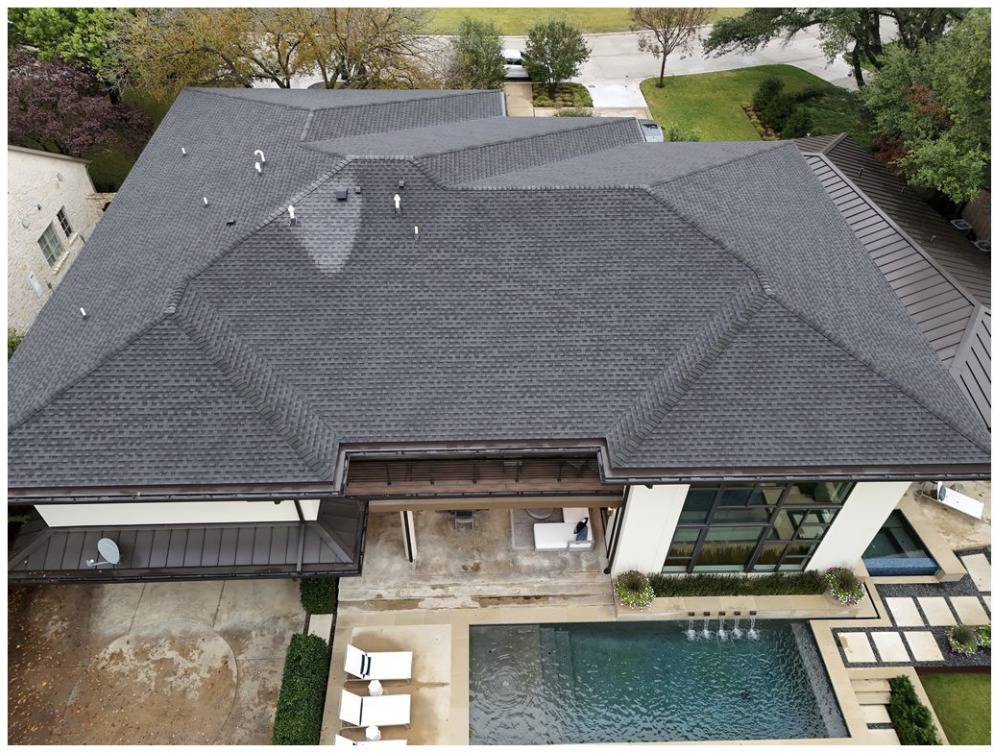
In some situations, walking a roof or visually accessing certain exterior areas may not be possible due to steep roof slopes, height, weather conditions, or physical obstructions. In these cases, drone technology may be used as a supplemental inspection tool to safely document areas that would otherwise be difficult or unsafe to access.
Platinum Home Inspections utilizes small unmanned aircraft systems (UAS) equipped with high-resolution still cameras and 4K video capability to capture detailed images of roof coverings, roof penetrations, chimneys, and other elevated or obstructed exterior components.
All drone operations are conducted by an inspector who holds a Federal Aviation Administration (FAA) Remote Pilot Certificate (Part 107) and are performed in accordance with applicable FAA regulations. When weather conditions are suitable and airspace restrictions allow, drones can be deployed efficiently during the inspection to provide additional visual documentation.
Images and video captured by the drone are used in conjunction with a visual, ground-based inspection to help illustrate observed conditions in the inspection report.